

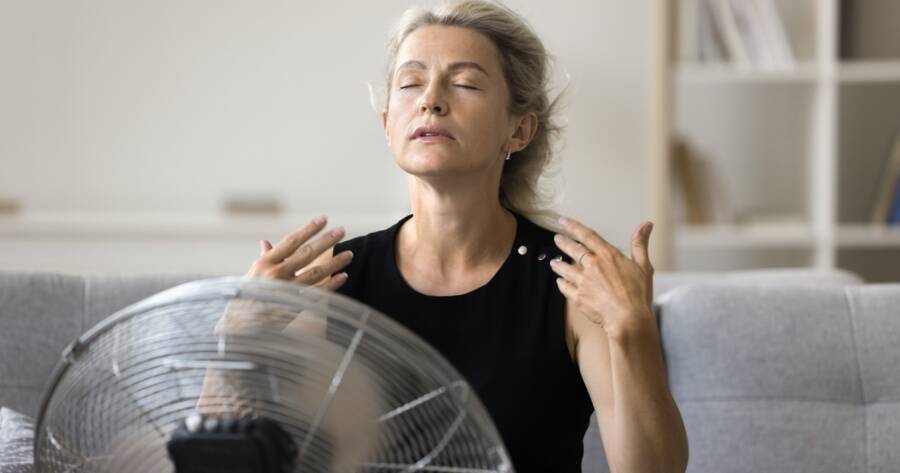
Perimenopause is a natural stage in a woman’s life, but many people are not fully prepared for how early it can begin or how it may feel. It often starts years before menopause and can bring subtle changes that are easy to overlook. Recognizing early signs can help you take control of your health and daily comfort. With the right strategies, you can manage symptoms and maintain a steady, balanced routine during the transition.
Common Early Signs To Watch For
Perimenopause often begins with small changes that may not seem connected at first. One of the most common signs is irregular periods. Your cycle may become shorter, longer, heavier, or lighter than usual. These shifts happen as hormone levels begin to change.
Other early symptoms include mood swings, trouble sleeping, and low energy. Some people notice increased anxiety or feel more emotional than usual. Physical symptoms can also appear, such as headaches, breast tenderness, or mild hot flashes. These signs may come and go, which can make them harder to identify at first.
How Hormonal Changes Affect Your Body
The main cause of perimenopause symptoms is changing levels of estrogen and progesterone. These hormones help regulate many systems in the body, including your menstrual cycle, mood, and sleep patterns. As they shift, your body needs time to adjust.
These changes can affect how you feel both physically and mentally. For example, lower estrogen levels can lead to sleep issues or changes in body temperature. Hormonal shifts can also affect how your body handles stress. Understanding this connection can make it easier to respond to symptoms instead of feeling confused or overwhelmed by them.
Simple Lifestyle Changes That Can Help
Daily habits play a big role in managing perimenopause symptoms. Regular exercise can help improve mood, support better sleep, and reduce stress. Even simple activities like walking or stretching can make a difference when done consistently.
A balanced diet is also important. Focus on whole foods such as fruits, vegetables, lean protein, and healthy fats. Staying hydrated can help with energy levels and overall comfort. Limiting caffeine and alcohol may also reduce symptoms like sleep disruption or hot flashes. Small, steady changes often lead to better results over time.
Managing Stress And Sleep More Effectively
Stress and sleep are closely linked during perimenopause. Many people find that they wake up more often at night or have trouble falling asleep. This can make other symptoms feel worse during the day.
Creating a simple evening routine can help improve sleep quality. Try going to bed at the same time each night and reducing screen use before sleep. Relaxation techniques such as deep breathing or light stretching can also help your body wind down. Managing stress during the day through breaks, movement, or quiet time can improve both sleep and overall well-being.
When To Consider Medical Support
While many symptoms can be managed with lifestyle changes, some may require additional support. If symptoms begin to affect your daily life, it may be helpful to speak with a healthcare provider. They can help you understand what is happening and discuss options that fit your needs.
Medical support may include guidance on hormone therapy or other treatments, depending on your situation. Regular checkups are also important during this time to monitor your overall health. Getting professional advice can provide clarity and help you feel more confident in your choices.
Building A Routine That Supports Long-Term Health
Perimenopause is not a short phase, so building a routine that supports your long-term health is important. Focus on habits that you can maintain over time, such as regular movement, balanced meals, and consistent sleep.
Tracking your symptoms can also be helpful. Writing down changes in your cycle, mood, or energy levels can help you notice patterns. This makes it easier to adjust your routine and communicate clearly with your healthcare provider if needed.
Take Control Of Your Health During The Transition
Perimenopause can bring unexpected changes, but understanding the early signs gives you a strong advantage. By recognizing symptoms early and making simple adjustments to your lifestyle, you can manage this phase with more confidence and comfort.
The goal is not to avoid change, but to respond to it in a way that supports your well-being. With the right approach, you can maintain your health, stay active, and continue to feel like yourself throughout this transition.