

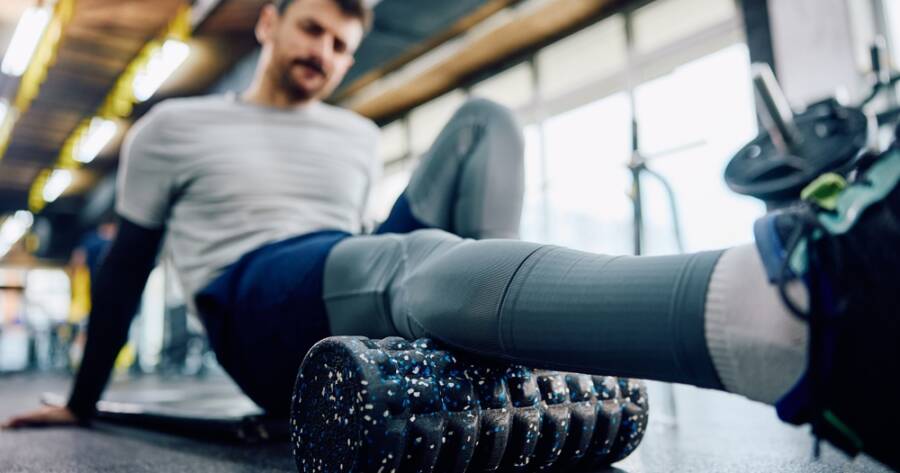
After a workout, your body needs time to recover, but many people aren’t sure what to do. Soreness, tight muscles, and fatigue can build up if recovery is ignored. Foam rolling is a simple and effective way to support your body after exercise. With the right technique, it can help reduce tension, improve movement, and make your next workout feel easier. Learning how to use a foam roller correctly can make a noticeable difference in how your body feels day to day.
What Foam Rolling Does For Your Body
Foam rolling is a form of self-massage that targets muscles and connective tissue. When you roll over a muscle, you apply pressure that helps release tight spots and improve blood flow. This process can reduce muscle stiffness and support recovery after exercise.
It also helps improve flexibility and range of motion. Tight muscles can limit how well you move, which may affect your workouts. By using a foam roller regularly, you can keep your muscles more relaxed and ready for activity. Foam rolling does not replace stretching or rest, but it works well as part of a full recovery routine.
When To Use A Foam Roller
Timing matters when it comes to foam rolling. You can use a foam roller both before and after workouts, but the goal is slightly different each time. Before a workout, light rolling can help warm up your muscles and prepare your body for movement.
After a workout is when foam rolling is most useful for recovery. At this point, your muscles may feel tight or sore. Rolling helps release that tension and improve circulation, which supports the recovery process. Many people also find it helpful to use a foam roller on rest days to stay loose and reduce stiffness.
How To Use A Foam Roller Step By Step
Using a foam roller is simple, but proper technique makes a big difference. Start by placing the roller on the floor and positioning the target muscle on top of it. Use your body weight to apply gentle pressure, then slowly roll back and forth over the area.
Move at a steady pace and avoid rushing. If you find a tight or tender spot, pause for a few seconds and allow the muscle to relax. Breathe normally and try not to tense up. Spend about 30 seconds on each muscle group. Focus on major areas like your legs, back, and hips, especially after lower-body workouts.
Key Muscle Groups To Focus On
Certain muscle groups benefit the most from foam rolling. The calves and hamstrings are common areas that become tight after running or strength training. Rolling these muscles can help reduce soreness and improve movement.
The quadriceps and hip flexors are also important, especially if you sit for long periods during the day. Foam rolling these areas can help relieve tension and support better posture. The upper back is another key area, particularly for people who spend time at a desk. Targeting these muscle groups regularly can lead to better overall recovery.
Common Mistakes To Avoid
One common mistake is rolling too quickly. Fast movements do not give your muscles enough time to respond. Slow, controlled rolling is more effective and helps you identify tight spots.
Another mistake is applying too much pressure. Foam rolling should feel slightly uncomfortable but not painful. If you feel sharp pain, reduce the pressure or stop. It is also important to avoid rolling directly over joints or bones. Focus on muscles instead to prevent strain or injury.
Making Foam Rolling Part Of Your Routine
To get the most benefit, foam rolling should be done consistently. You do not need a long session—just a few minutes after each workout can help. Pairing foam rolling with stretching and hydration can improve your overall recovery.
You can also build it into your daily routine. For example, spend a few minutes rolling your legs in the evening or after a walk. Keeping your foam roller in a visible place can remind you to use it regularly. Small, consistent efforts often lead to the best results.
Support Your Recovery With Simple Habits
Foam rolling is a simple tool that can have a big impact on how your body feels after exercise. By using it correctly and consistently, you can reduce muscle tightness, improve movement, and recover more effectively between workouts.
The key is to keep it simple and make it part of your routine. When combined with other healthy habits, foam rolling can help you stay active, reduce discomfort, and get more out of your workouts over time.