

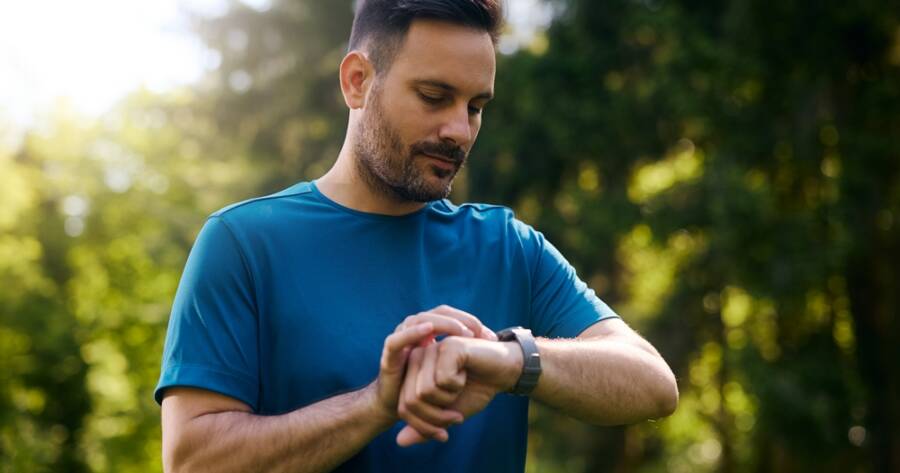
Stress is a part of daily life, but tracking it can help you understand your body and improve your overall health. Modern fitness trackers now go beyond counting steps—they measure signals like heart rate variability (HRV), sleep patterns, and activity levels to estimate stress. Key tools give you real-time insights and long-term trends. By choosing the right tracker, you can build better habits, manage stress more effectively, and gain a clearer picture of your physical and mental well-being.
How Fitness Trackers Measure Stress
Most fitness trackers measure stress using heart rate variability, or HRV. This refers to the small changes in time between each heartbeat. When your body is relaxed, HRV tends to be higher. When you are stressed, HRV often drops.
Many devices also use other signals, such as movement, sleep quality, and even skin responses, to improve accuracy. These data points are combined using software to give you a stress score or daily trend. While these tools are not medical devices, they can help you notice patterns and make changes over time.
Fitbit Trackers: Simple And Effective Stress Insights
Fitbit devices are widely known for making stress tracking easy to understand. Models like the Charge series and Inspire line include features such as stress management scores, guided breathing sessions, and daily readiness insights. These tools are designed for everyday users who want clear and simple feedback.
Fitbit trackers also combine stress data with sleep and activity tracking. This helps you see how different parts of your routine affect your stress levels. For example, poor sleep or low activity can lead to higher stress scores. Devices like the Inspire 3 include continuous heart rate tracking and stress tools, making them a good starting point for beginners.
Apple Watch: Advanced Health Tracking In One Device
The Apple Watch offers a wide range of health features, including stress-related insights through HRV tracking. While it may not always label stress directly, it collects detailed data that helps you understand your body’s response to daily activities.
The watch works closely with apps that analyze HRV trends, mindfulness activity, and breathing exercises. This makes it useful for people who want a deeper look at their health data. It also combines stress tracking with fitness, notifications, and daily use features, making it an all-in-one device for many users.
Garmin Devices: Detailed Data For Active Users
Garmin fitness trackers and watches are known for their detailed health metrics. Many models include a “stress score” that updates throughout the day based on HRV and activity levels. These devices also track recovery, energy levels, and sleep, giving a more complete picture of your body.
Garmin watches are especially popular with active users who want more advanced insights. Some models can show how stress affects your performance and recovery after workouts. This makes them useful not only for managing stress but also for improving fitness and overall health.
Whoop And Oura: Focused On Recovery And Sleep
Whoop and Oura take a slightly different approach by focusing heavily on recovery and sleep. Both devices track HRV and use it to estimate how your body is handling stress over time. Instead of just showing daily scores, they provide long-term trends and suggestions.
The Whoop band is designed for continuous wear and gives detailed recovery insights, while the Oura Ring focuses on comfort and sleep tracking. These devices are often used by people who want deeper insights into how stress affects their overall health. HRV is a key part of both systems, helping users understand recovery and strain.
Choosing The Right Tracker For Your Needs
The best fitness tracker for stress depends on how you plan to use it. If you want simple daily insights, Fitbit is a strong choice. If you prefer a multi-purpose smartwatch, the Apple Watch offers a wide range of features. For detailed data and performance tracking, Garmin devices stand out.
If your main goal is recovery and long-term stress trends, Whoop or Oura may be better options. Each device uses similar core data, but the way it is presented can vary. Choosing a tracker that matches your lifestyle makes it easier to stay consistent and get value from the data.
Use Data To Build Better Habits
Fitness trackers can play a helpful role in managing stress by giving you clear, ongoing feedback about your body. By tracking HRV, sleep, and activity, these devices help you understand what affects your stress levels and how to respond.
The key is not just collecting data, but using it. Small changes like improving sleep, staying active, and taking breaks can make a difference over time. With the right fitness tracker, you can turn daily data into better habits and a more balanced lifestyle.