

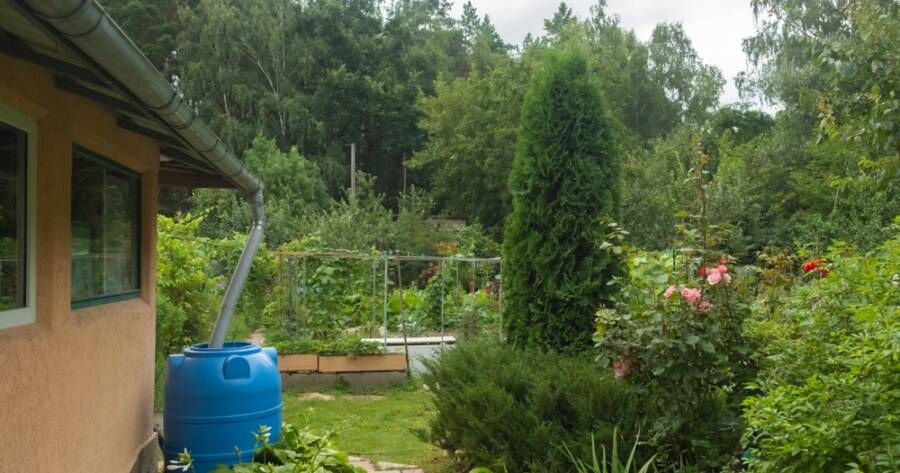
Heavy rain can cause water to collect in yards, flow into streets, and carry pollutants into local waterways. Many homeowners are looking for simple ways to manage runoff while improving their outdoor space. A rain garden is one practical solution. It is a shallow, planted area designed to absorb and filter rainwater naturally. With the right setup, a rain garden can reduce flooding, support plant life, and improve the health of your yard.
Understanding How a Rain Garden Works
A rain garden is designed to capture water from roofs, driveways, or other hard surfaces and allow it to soak into the ground. Instead of rushing into storm drains, the water collects in the garden and slowly filters through soil and plant roots. This process helps remove dirt, chemicals, and other pollutants before the water reaches nearby streams or lakes.
The garden is usually placed in a low area of your yard where water naturally flows—at least ten feet from your home. It is not meant to hold water permanently, but rather to manage it during and after rainfall. Most rain gardens drain within a day or two, which helps prevent standing water and reduces the risk of mosquitoes.
Choosing the Right Location
Picking the right spot is one of the most important steps. A rain garden should be placed at least several feet away from your home to prevent water from affecting the foundation. Look for a location where water already collects or flows during rain. This makes it easier to direct runoff into the garden.
It is also important to check how well your soil drains. Sandy soil allows water to pass through quickly, while clay soil may need improvement to increase drainage. You can test this by digging a small hole, filling it with water, and seeing how long it takes to drain. This simple test helps you decide if the area is suitable or if changes are needed.
Designing the Shape and Depth
Rain gardens can be shaped to fit your yard, but they are usually shallow and gently sloped. The size depends on how much runoff you want to manage. A larger roof or driveway may require a bigger garden. The goal is to create a space that can hold water briefly and allow it to soak in slowly.
The depth is typically between a few inches and about a foot. The bottom should be level so water spreads evenly across the garden. Sloped sides help guide water into the center while preventing erosion. Adding a mix of soil, compost, and sand can improve drainage and support plant growth.
Selecting Plants for Success
Plants play a key role in how well a rain garden works. The best choices are native plants that can handle both wet and dry conditions. These plants are adapted to local weather and usually require less maintenance once established.
Deep-rooted plants are especially helpful because they improve soil structure and help water soak in more easily. You can include a mix of grasses, flowers, and shrubs to create a balanced environment. Placing plants with higher water tolerance in the center and more drought-tolerant plants along the edges helps the garden stay healthy throughout the year.
Building and Maintaining the Garden
Once the design is ready, building a rain garden involves digging the area, preparing the soil, and planting vegetation. It is also helpful to direct water into the garden using a downspout extension or a shallow channel. This ensures that runoff flows into the garden rather than around it.
Maintenance is simple but important. In the first year, plants need regular watering until they become established. Removing weeds and checking for erosion will help keep the garden working properly. Over time, the plants will grow stronger and require less care, making the garden easier to maintain.
Environmental Benefits Beyond Your Yard
Rain gardens do more than improve your property. They help reduce the amount of polluted runoff entering local water systems. By filtering water through soil and plant roots, they can improve water quality in nearby rivers and lakes.
They also support local wildlife, including birds and pollinators. Native plants provide food and shelter, creating a small but valuable habitat. In addition, rain gardens can reduce pressure on stormwater systems, which is especially important in areas with heavy rainfall or aging infrastructure.
A Practical Step Toward Better Water Management
Creating a rain garden is a simple and effective way to manage stormwater runoff while improving your outdoor space. By choosing the right location, designing it properly, and selecting suitable plants, you can build a system that works with nature instead of against it.
Over time, a rain garden can reduce flooding, support local ecosystems, and make your yard more attractive. It is a practical project that offers lasting benefits, both for your home and for the environment around you.