

Noise can be a daily problem, whether it comes from traffic, neighbors, or other rooms in your home. A quiet space makes it easier to work, relax, or sleep. The good news is that you do not need expensive construction to reduce noise. With the right materials and simple methods, you can improve sound control in a practical way. Understand how to soundproof a room using affordable solutions that are easy to apply and maintain.
Understanding How Sound Travels
Before making changes, it helps to understand how sound moves. Sound travels through air and solid surfaces. It can pass through walls, doors, windows, and even small gaps. There are two main goals when soundproofing: blocking sound from entering or leaving a room, and reducing echo inside the room.
Many people confuse soundproofing with sound treatment. Soundproofing focuses on stopping sound from passing through barriers. Sound treatment reduces noise reflections within the room. Both are useful, and affordable methods often combine the two. Knowing this difference helps you choose the right materials and avoid wasting effort.
Sealing Gaps and Weak Points
The easiest and most effective step is sealing gaps where sound can leak through. Even small openings around doors, windows, and baseboards can let in a lot of noise. Use weatherstripping tape around doors and windows to close these gaps. Door sweeps are also helpful for blocking sound that travels under doors.
You can also use acoustic caulk to seal cracks in walls or around window frames. This type of sealant stays flexible and helps block sound better than regular caulk. Focus on areas where air can pass through, since sound often follows the same path. This step alone can make a noticeable difference.
Using Soft Materials to Absorb Sound
Soft materials help absorb sound and reduce echo inside a room. Thick curtains, rugs, and upholstered furniture are simple ways to improve sound control. Heavy blackout curtains placed over windows can reduce outside noise and also limit sound from escaping.
Adding rugs or carpets to hard floors can reduce noise from footsteps and echoes. Wall hangings like tapestries or even thick blankets can help absorb sound as well. These solutions are easy to install and do not require permanent changes, making them ideal for renters.
Adding Mass to Walls and Doors
Sound has a harder time passing through heavy materials. Adding mass to walls and doors can improve soundproofing without major construction. One simple option is to use mass-loaded vinyl, which is designed to block sound. It can be attached to walls or doors and then covered with fabric or panels.
Another option is using bookcases filled with books along shared walls. This adds weight and creates a barrier that helps reduce noise. Solid core doors are also more effective than hollow doors. If replacing a door is not possible, you can hang a thick moving blanket over it to improve sound blocking.
Improving Window Soundproofing
Windows are often one of the weakest points when it comes to noise. Glass allows sound to pass through more easily than solid walls. To reduce this, you can use window inserts or acrylic panels that create an extra layer. These are more affordable than full window replacement and can be removed if needed.
Another simple method is sealing the window edges and using thick curtains. Combining sealing and layering creates better results than using just one solution. The goal is to reduce both air gaps and sound vibration through the glass.
Using Foam Panels and DIY Solutions
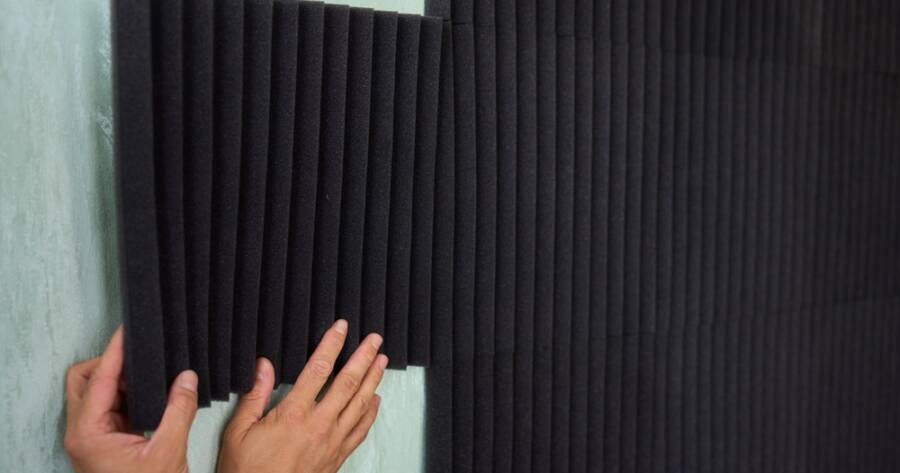
Acoustic foam panels are commonly used to reduce echo and improve sound quality inside a room. While they do not fully block sound, they can make the space feel quieter by reducing reflections. They are easy to install with adhesive strips and can be placed on walls or ceilings.
For a more affordable approach, you can create DIY panels using foam, fabric, and wooden frames. Even placing cushions or mattresses against walls can help in some situations. These methods may not look perfect, but they can be very effective for reducing noise during work or recording.
Building a Quieter Space Step by Step
Soundproofing a room does not have to be complicated or expensive. By sealing gaps, adding soft materials, increasing wall mass, and improving windows, you can reduce noise in a practical way.
Each small step adds up to a noticeable improvement. Focus on the areas where sound enters most and build from there. With consistent effort, you can create a quieter and more comfortable space using simple, affordable materials.