

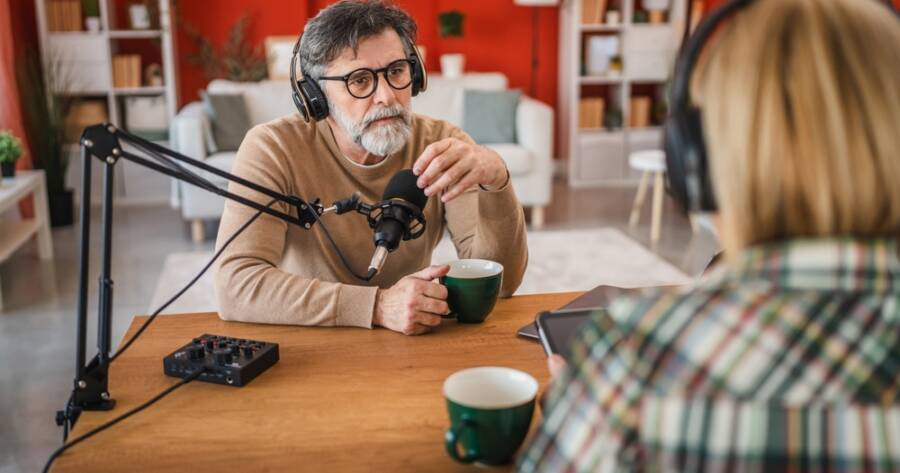
Starting a podcast from home has never been easier, but many people assume it requires expensive gear and a professional studio. In reality, you can create a clear and reliable setup using simple, budget-friendly equipment. The key is knowing what matters most and where to focus your effort. With the right tools and a basic setup, you can produce high-quality audio, stay consistent, and build a podcast that sounds professional without overspending.
Choose The Right Microphone For Clear Audio
The most important part of any podcast setup is the microphone. Clear audio matters more than any other piece of equipment. A good entry-level USB microphone is often the best place to start because it connects directly to your computer and is easy to use.
Popular options like the Blue Yeti or Audio-Technica ATR2100x are widely used by beginners and offer reliable sound quality. USB microphones are simple to set up and do not require extra gear. If you want to upgrade later, you can move to an XLR microphone with an audio interface, but starting simple helps you get going faster.
Use Headphones To Monitor Your Sound
Headphones are another key part of your setup. They allow you to hear your audio clearly while recording and help you catch issues like background noise or uneven volume. Without headphones, it is harder to notice problems until after you finish recording.
Closed-back headphones work best because they reduce outside noise and prevent sound from leaking into your microphone. Simple, wired headphones are enough for most setups. The goal is not high-end sound, but clear and accurate monitoring so you can improve your recordings over time.
Set Up A Quiet Recording Space
Your environment has a big impact on audio quality. Even the best microphone will pick up echo and background noise if your space is not set up properly. You do not need a professional studio, but you should aim for a quiet and controlled space.
Soft materials help reduce echo. Recording in a room with carpets, curtains, or even a closet filled with clothes can improve sound quality. Avoid large, empty rooms with hard surfaces. Turning off fans, air conditioners, and other noise sources during recording can also make a noticeable difference.
Add Simple Accessories For Better Results
A few small accessories can improve your setup without adding much cost. A pop filter is useful for reducing harsh sounds from letters like “P” and “B.” This helps your audio sound smoother and more professional.
A microphone stand or boom arm can also improve your setup. Holding a microphone or placing it on a desk can cause unwanted noise. A stand keeps the microphone stable and positioned correctly. These small additions can make your recordings more consistent and easier to manage.
Use No-Fee Or Low-Cost Recording Software
You do not need expensive software to record and edit your podcast. Many no-fee options work well and are easy to learn. Audacity is a popular choice that allows you to record, edit, and export audio files with simple controls.
GarageBand is another strong option for Mac users, offering a clean interface and built-in tools for editing. These programs allow you to adjust volume levels, remove background noise, and clean up your audio before publishing. Starting with simple software helps you focus on content instead of complex tools.
Keep Your Setup Simple And Consistent
One of the most important parts of podcasting is consistency. A simple setup that you understand is better than a complex one that slows you down. Once you find a setup that works, try to keep your recording process the same each time.
Use the same microphone position, recording space, and settings. This helps create a consistent sound across episodes, which is important for listeners. Over time, you can make small improvements, but starting with a stable setup makes it easier to stay on track.
Start Simple And Build As You Grow
Building a home podcast setup does not require a large investment or advanced skills. By focusing on the essentials—clear audio, a quiet space, and simple tools—you can create a setup that works well from the start. Equipment like a reliable USB microphone, basic headphones, and no-fee software is enough to begin.
The most important step is getting started. As you gain experience, you can upgrade your setup and improve your sound. With a simple and consistent approach, you can build a podcast that grows over time and connects with your audience.