

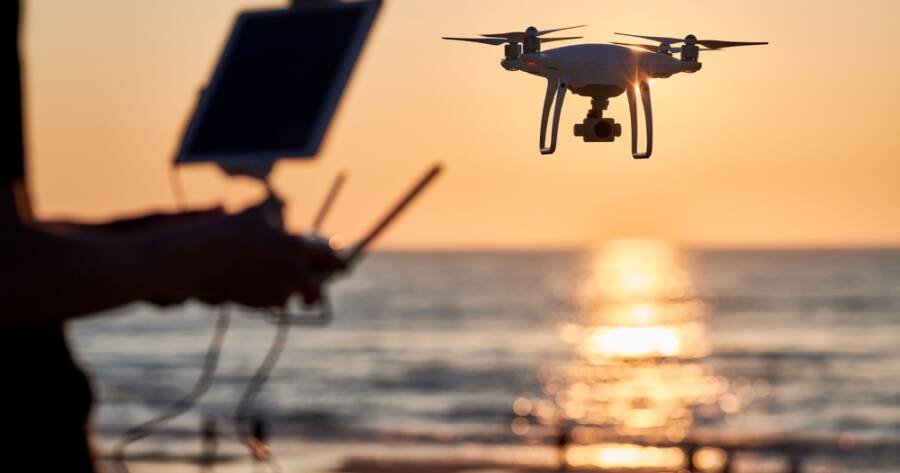
Drone photography has become more accessible than ever, allowing beginners to capture unique views from above without advanced equipment or training. Many people assume it requires expensive gear and technical skill, but entry-level drones now offer strong cameras and easy controls. With the right approach, you can start taking impressive aerial photos while keeping things simple. Learning the basics of flying, choosing the right drone, and understanding photography techniques can help you build skills quickly and safely.
Choosing The Right Entry-Level Drone
Starting with the right drone makes a big difference. Entry-level models are designed to be easy to fly and include helpful features like GPS stabilization, automatic hovering, and return-to-home functions. These features help prevent crashes and make it easier to focus on taking photos.
Popular beginner-friendly drones include the DJI Mini 2 SE, DJI Mini 3, and Ryze Tello. The DJI Mini series is especially popular because it combines strong camera quality with simple controls. These drones are lightweight and portable, making them easy to carry and use in different locations. The Ryze Tello is more basic but can be a good option for learning the fundamentals of flight before upgrading.
Learn Basic Flight Controls First
Before focusing on photography, it is important to become comfortable with flying your drone. Spend time practicing in an open area with few obstacles. Learn how to take off, land, hover, and move in different directions smoothly.
Most entry-level drones include beginner modes that limit speed and make controls easier. Use these features while you are learning. Smooth and controlled movement is key for good photography, so building confidence in your flying skills will improve your results. Taking time to practice reduces the risk of accidents and helps you focus on capturing better shots later.
Understand Simple Photography Techniques
Drone photography is not just about flying—it also requires basic camera skills. Start by learning how framing and composition work from above. Look for patterns, lines, and shapes that stand out when viewed from the air.
Lighting also plays an important role. Early morning and late afternoon often provide softer light and better colors. Try to avoid shooting in harsh midday light, which can create strong shadows. Many entry-level drones include automatic camera settings, but you can still improve your photos by paying attention to timing and positioning.
Use Built-In Features To Improve Your Shots
Most beginner drones include features that make photography easier. These may include automated flight modes, such as orbiting around a subject or following a path. These tools help you capture smooth and steady footage without needing advanced skills.
Some drones also offer basic editing tools within their apps. You can adjust brightness, contrast, and color directly after taking your photos. Using these built-in features can help you create more polished results without needing separate software. Over time, you can explore more advanced editing tools if you want to improve further.
Follow Safety Rules And Local Regulations
Flying a drone in the United States comes with certain rules that you need to follow. It is important to check local regulations before flying, especially in areas near airports or crowded spaces. Staying within allowed areas helps you avoid fines and keeps others safe.
Always keep your drone within your line of sight and avoid flying over people or busy roads. Weather conditions also matter. Strong wind or rain can make flying difficult and increase the risk of damage. Taking safety seriously helps protect your equipment and ensures a better experience overall.
Practice And Build Your Skills Over Time
Like any skill, drone photography improves with practice. Start with simple shots and gradually try new angles and locations. Review your photos to see what works and what you can improve.
You can also look at work from other drone photographers for inspiration. Pay attention to how they use height, framing, and light. Over time, you will develop your own style and become more confident in your abilities. Consistent practice is the key to improving your results.
Start Simple And Grow Your Skills
Starting drone photography does not require advanced equipment or experience. With an entry-level drone and a basic understanding of flight and photography, you can begin capturing unique and creative images. The most important step is to start practicing and learning as you go.
By choosing a beginner-friendly drone, focusing on safe flying, and improving your technique over time, you can build strong skills and enjoy the process. With patience and consistency, your results will improve, and your confidence will grow with every flight.