

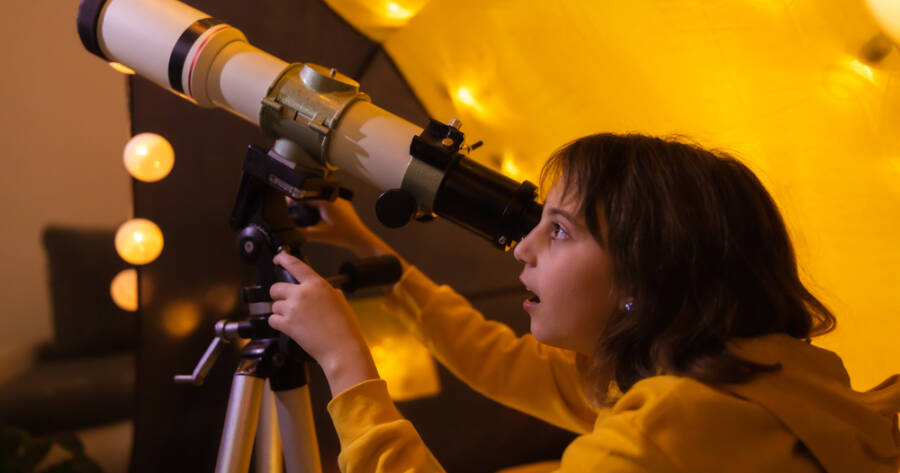
Stargazing is one of the most rewarding hobbies you can start, and it does not require expensive equipment to enjoy. Many beginners assume that telescopes are costly and complex, but there are simple and affordable options that provide clear views of the night sky. With the right choice, you can explore the moon, planets, and bright stars from your own backyard. Understand how to choose the best budget telescopes and highlights reliable options for amateur stargazers.
What to Look for in a Budget Telescope
When choosing a telescope, the most important factor is the aperture, which is the size of the lens or mirror. A larger aperture gathers more light, making objects appear brighter and clearer. For beginners, telescopes in the 70mm to 130mm range offer a good balance between performance and ease of use.
Another key factor is the mount. A stable mount helps keep the image steady, which makes viewing easier. Simple mounts like altazimuth designs are user-friendly and ideal for beginners. It is also important not to focus too much on high magnification claims. Clear images and stability matter more than extreme zoom levels.
Types of Budget Telescopes
There are three main types of telescopes to consider: refractors, reflectors, and compound designs. Refractors use lenses and are easy to maintain, making them a strong choice for beginners who want a simple setup. They work well for viewing the moon and planets.
Reflectors use mirrors and often provide larger apertures for the same size and cost. This makes them a better option for viewing deeper space objects like star clusters. However, they may need occasional adjustment to keep the mirrors aligned. For most beginners, either a refractor or a reflector will be a solid starting point.
Top Budget Telescope Options
Several budget-friendly telescopes are known for being reliable and beginner-friendly. The Celestron AstroMaster 130EQ is a popular reflector that offers strong light-gathering ability. It is a good choice for those who want to explore both planets and deeper space objects.
The Celestron AstroMaster 70AZ is a simpler refractor that is easy to set up and use. It is lightweight and works well for quick viewing sessions. Another option is the StarSense Explorer LT 80AZ, which includes smartphone guidance to help locate objects in the sky.
The Zhumell Z130 tabletop telescope is also a strong option. Its compact design makes it easy to store and transport, while still offering solid viewing power. These models show that beginners can find dependable telescopes without complicated setups.
Why Aperture Matters More Than Extra Features
Many budget telescopes include added features such as phone mounts or tracking systems. While these can be helpful, they are not as important as the aperture. The size of the lens or mirror directly affects how much detail you can see.
A larger aperture allows you to view fainter objects and sharper images. You will be able to see more detail on the moon and clearer views of planets like Jupiter and Saturn. Focusing on aperture first helps you get better performance without spending on features you may not need.
Setting Realistic Expectations
Budget telescopes can provide impressive views, but it is important to understand their limits. You will not see the same level of detail as space images taken by professional equipment. Instead, you will see bright and clear objects like the moon’s surface, the rings of Saturn, and Jupiter’s moons.
Even entry-level telescopes can create a meaningful experience. The goal is to enjoy the process of observing the sky and learning how to find objects. Over time, your skills will improve, and you will get more out of your equipment.
Tips for Getting the Best Viewing Experience
To get the most from your telescope, choose a location with low light pollution. Bright city lights can make it harder to see stars and planets. A backyard or park away from streetlights can improve your results.
Allow your eyes time to adjust to the dark before you begin observing. Start with easy targets like the moon, then move on to planets and star clusters. Make sure your telescope is set on a stable surface to avoid shaking. Small adjustments like these can greatly improve your viewing experience.
Choosing the Right Telescope for Your Journey
Finding the best budget telescope is about focusing on the basics. A good beginner telescope should be easy to use, stable, and have a strong aperture for clear viewing.
By choosing a simple and reliable model, you can start exploring the night sky without stress. With time and practice, your skills will grow, and your interest in stargazing will deepen into a lasting hobby.